Haven’t posted any segments of the curriculum lately, so here goes:
VI. AQUACULTURE
Learning objectives: In this unit you will explore aquaculture as a viable and healthy food producing option to only land-based crop production. Aquaculture out-produces agriculture. You will learn that aquaculture is not limited to fish, crayfish, muscles, etc., but that pond and river edges offer more yield near the aquatic environment. Ducks and geese integrate with the food web of the aquatic habitat. The economic potential of an aquaculture farming practice will be discussed. All study and implementation is based on location of the site and local weather patterns.
1. Choice of fish species (varieties, food, health) and factors in yield
2. Fish pond configurations and food supplies
3. Farming invertebrates for fish food
4. Channel, chanampa, canal
5. Yields outside pond on pond edges
6. Water poly-cultures
7. Choice of fish species
8. Traditional and new water polycultures
Aquaculture and Mariculture (see also “Useful Plants of Wetlands” by Bill Mollison, available from Permacultue Consultancy, Australia)
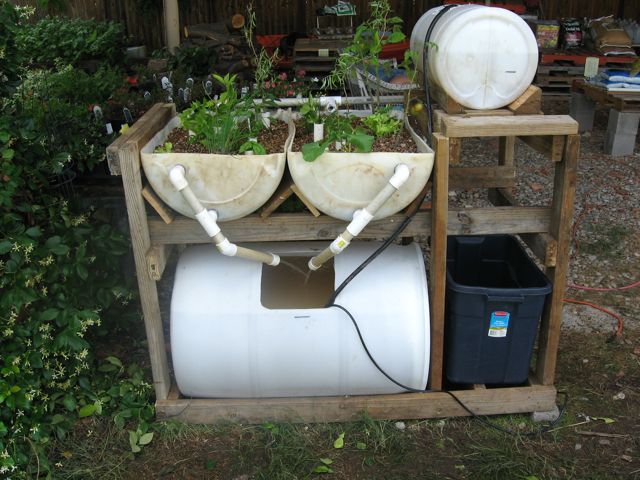
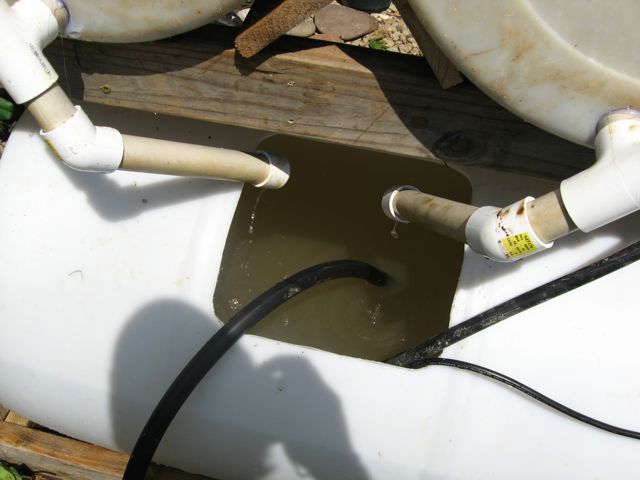
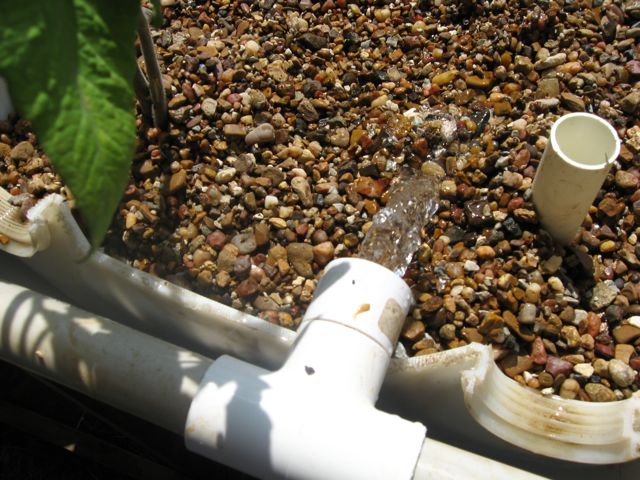
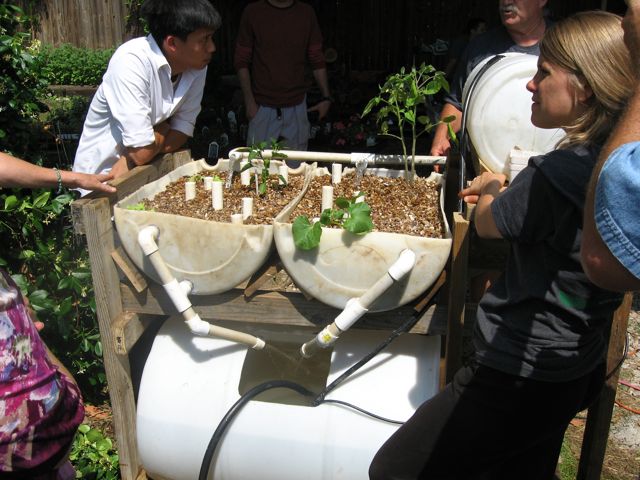
Aquaculture and Aquaponics (see info by Dr Range and others)
• Select species (plants and animals) for pond size
• Set up self-forage systems for fish
Pond Sizes:
• Mini-ponds in gardens: use for breeding frogs, water chestnut, watercress, taro, kangkong (water
convolvulus)
• 300+ square meter ponds: fish, prawns, marron (need fence), eels, bait fish, Tilapia, freshwater
mussels (must research habits of all- some will eat others if put in same pond)
• Plants: variety from edge (blueberry) to reeds (water chestnut), emergent (wild rice), marginal
(glyceria), overhanging (mulberry, willow).
Self-forage Systems:
• Insectory plants at pond edges attract insects (many fall into the water)
• Plant heavily around edges to attract nesting and feeding birds. They’ll deposit manures onto the
water to supply detritus feeders. Ducks and fish are an excellent high yielding combination on
ponds.
• Trellis crop and overhanging trees are important. E.g. silkworm on mulberry trees provide manure,
their own bodies, and bits of leaf for fish below.
• Provide insect traps over water for fish feeding. E.g. a yellow balloon over water will attract grasshoppers; a baited fly trap will provide hundreds of flies; a black light with a fan will fan insects into
the water.
Mariculture
Mangroves and Estuaries:
• Mangrove spp.: mulch effect will supply detritus feeders
• Plants: intertidal and sub-surface useful plants are Zostera & Spartina
• Mangroves hold sand and start off the food chain
• Estuarine ponds: controlled for oysters, mullet, flatfish
• Natural food trap systems (as above and use of sea organisms)
Tidal Areas:
• Importance of fish traps
• Raft cultures: rig nets for fish; rope for mussels; plants and nesting sites.
• Phosphates: sea platforms, roosts, nests
• Rack and substrata cultures (mussels, oyster, algae, sponges, octopus)
• Reef cultures: tires for fish; pipes for crayfish; pots for octopus
Fish convert algae and weeds into usable protein at high levels of efficiency relative to mammals. Molluscs, especially Unio, fix nutrients in mud for land cycle, dry crop cycle, and extract calcium.
AQUACULTURE
Select species (plant and animals) for pond size.
Set up self-forage systems for fish.
Pond sizes:
Mini-ponds in gardens used for predator habitat, water chestnut, water cress, taro, kangkong.
300+ square meter ponds: fish, prawns, crayfish, eels, bait fish and mollusks . Plants various from edge blue berry to reeds to water chestnut , emergent wild rice , marginal, overhanging mulberry willow.
Self- Forage Systems:
Insectory plants at pond edges attract insects and many fall into the water. Plant heavily around edges to attract nesting and feeding birds, these deposit manures onto the water, which supply detritus feeders. Ducks and fish are excellent high yielding combinations on ponds.
Trellis crop and overhanging trees important, e.g. silkworm on mulberry trees provide manure, their own bodies, and bits of leaf for fish below.
Provide insect traps over water for fish feeding, e.g. a yellow balloon over water will attract grasshoppers, a baited flytrap will provide hundreds of flies, a black light with a fan will fan insects into the water.
Designer’s Checklist: Due to the special susceptibility of water life, minimal to zero biocide use is essential near or in waterways. (See page 502 of Designer’s Manual).
References:
-Hutchinson, Laurence, Ecological Aquaculture, Permanent Publications, Hampshire, Eng., 2005.
-Logsdon, Gene, Getting Food from Water, Rodale Press, Emmaus, PA, 1978.
-Matson, Tim, Earth Ponds Sourcebook, Countryman Press, Woodstock, Vermont, 1997.
-Mollison, Bill, Permaculture: A Designer’s Manual, Tagari Publications, Tyalgum Australia, 1988.
–Appropriate Technology Sourcebook, Volunteers in Asia Publication, Stanford, California, 1993.